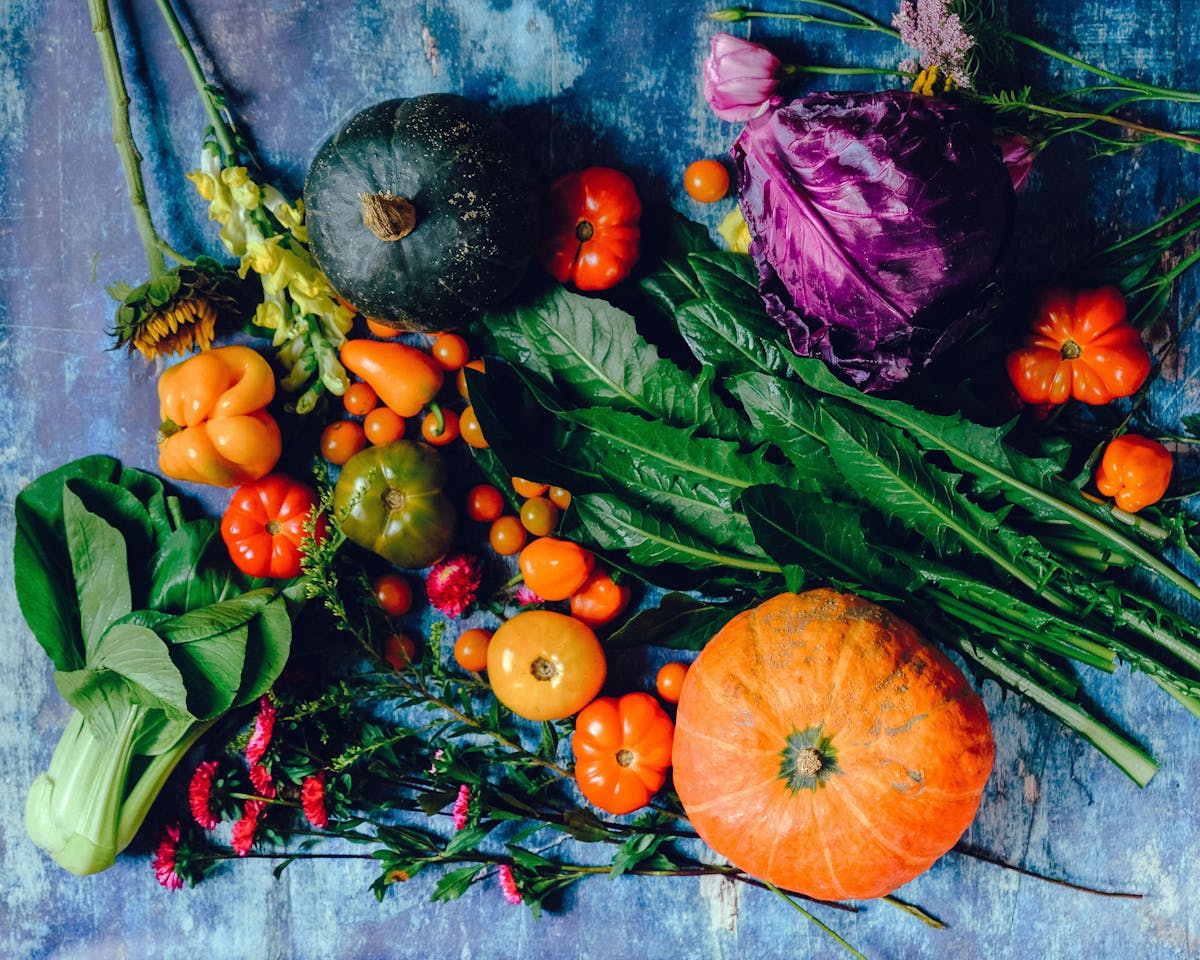
A carrot with two legs. A pepper with a nose. An apple that's more russet than red.
None of it tastes any different. None of it is any less nutritious. And almost none of it makes it to your shelf.
Instead, cosmetically imperfect produce — "Grade B," "ugly," "wonky," pick your label — gets left in the field, culled at the packhouse, or quietly thrown out in the back of the store. It's one of the largest sources of food waste in the country. It's also money you already paid for, walking out the back door.
Waste Happens at Every Stage — Long Before the Shelf
The uncomfortable truth is that the produce aisle is the narrow end of a very wasteful funnel. At every step from field to shelf, product gets filtered out for looks alone:

The numbers are staggering. Roughly 30% of crops are left unharvested purely for cosmetic reasons. Around 28% of the 14.5 million tons of unharvested fruits and vegetables in the U.S. is unmarketable on appearance alone (ReFED). And at the retail level, grocers throw away an estimated $15 billion of edible produce every year — in an industry that runs on razor-thin margins.
Read that last number again. $15 billion in edible product, discarded annually, by the very businesses that most need to protect their margins.
Here's the Part Most Retailers Miss: It Sells
The instinct is to assume shoppers won't buy imperfect produce. The evidence says otherwise — and has for over a decade.
In 2014, French grocer Intermarché launched "Inglorious Fruits & Vegetables": they bought the product their growers usually threw away, sold it at a 30% discount, and celebrated it with playful branding (the "Grotesque Apple," the "Failed Lemon"). The result wasn't just goodwill. It moved the business.

And this wasn't a one-off. The "ugly produce" playbook has since been run by Loblaws ("Naturally Imperfect"), Asda ("Wonky Veg"), Whole Foods, Giant Eagle ("Produce with Personality"), and others — consistently pulling in budget-conscious and sustainability-minded shoppers at the same time.
The Counterintuitive Economics: Ugly Can Out-Earn Perfect
Here's where it gets genuinely interesting for anyone watching the P&L. A discount sounds like lost margin. But Grade B produce also costs the retailer far less to acquire — because it's product the grower was otherwise going to lose. Lower in, lower sticker, and the margin can actually come out ahead.

Research from UBC's Sauder School of Business found this effect directly: when imperfect produce was labeled "ugly," customers not only bought more of it — they spent more on it than on the conventionally attractive produce. And even at a 25% discount, it was more profitable for the seller, because the cost of acquiring it was so much lower.
In other words: the "ugly" shelf can be one of the highest-margin square feet in the produce department — if it's merchandised deliberately, not apologetically.
The Merchandising Playbook
Selling Grade B well is a craft. The retailers who succeed treat it as a distinct product line with its own identity — not a sad clearance bin. Four principles from the data:
-
1. Name it with personality, not shame. "Inglorious," "Produce with Personality," "Naturally Imperfect." Playful, self-aware branding outperforms a plain discount sticker — and, counterintuitively, calling it "ugly" outright works.
-
2. Message the mission, not just the markdown. Positive, purpose-driven signage ("Pick ugly, fight waste!") lifted willingness-to-buy by 22.4% and drove up to 12.6% more revenue than generic "30% off" signs.

-
3. Mix, don't segregate. 42% of shoppers were more likely to buy bunches of mixed wonky-and-regular carrots when told they're just as healthy and that buying them cuts waste. Integration beats a quarantined "seconds" shelf.
-
4. Discount deliberately — 30% is the anchor. The proven range is 30–50% off, but strong messaging lets you hold nearer the shallow end and protect margin. The discount is a lever, not a default.
The Operational Unlock: You Can't Sell What You Can't Sort
Every strategy above depends on one unglamorous capability: reliably identifying, grading, and routing imperfect produce — at speed, at volume, without adding labor. A "Grade B" program only works if you can consistently separate genuinely good-but-ugly product from product that's actually past its prime, tag it, price it, and get it to the right shelf before it turns.
That's a data and visibility problem as much as a merchandising one. Manual sorting is slow, subjective, and expensive — which is exactly why most "ugly produce" pilots stall before they scale. The retailers who win the Grade B opportunity are the ones who can make cosmetic grading fast, consistent, and traceable across every lot that comes through the door.
Get that right, and "ugly" stops being waste you write off. It becomes a margin line you manage.
Reframing the Ugly Truth
The cosmetic-perfection standard was never really about quality. It was a proxy — a visual shorthand for freshness that everyone in the chain learned to over-enforce. Undoing it isn't charity. It's one of the clearest paths to cutting waste and lifting produce margins at the same time.
The product is already grown. You've already paid for it. The only question is whether it reaches a shelf — or a landfill.
ProduceX gives retailers and suppliers the visual QC and lot-level visibility to grade, track, and route produce by quality in real time — turning cosmetic sorting from a manual bottleneck into a margin opportunity. See how ProduceX helps you capture the value in every lot, not just the perfect-looking few.